

Discover the Benefits of Monitoring Humidity and Temperature with a Thermometer Hygrometer
Understanding the importance of monitoring humidity and temperature
Keeping track of humidity and temperature is crucial for maintaining a comfortable and healthy indoor environment. High humidity can lead to mold growth and worsen allergies, while low humidity can cause dry skin and respiratory issues. Monitoring temperature is important for ensuring that your environment is neither too hot nor too cold. A thermometer hygrometer allows you to accurately measure both factors, so you can make informed decisions about adjustments to your living or working spaces.
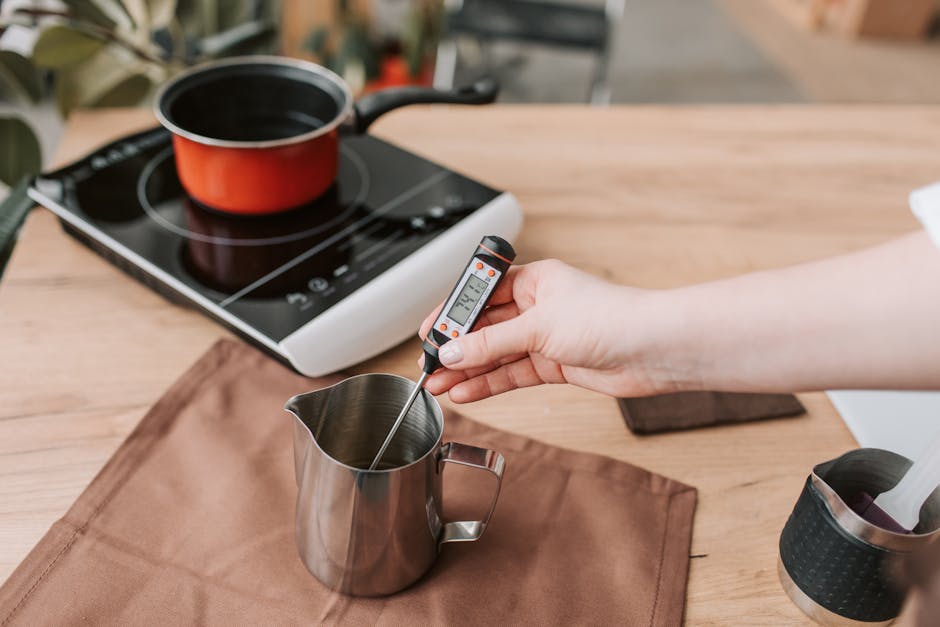
What is a thermometer hygrometer and how does it work?
A thermometer hygrometer is a device that measures both temperature and humidity levels in the air. It works by using sensors to detect the temperature and humidity, then displays the readings on a digital or analog screen. Some thermometer hygrometers also have additional features such as recording the maximum and minimum readings over a period of time, which can be helpful for monitoring changes in the environment. These devices are commonly used in homes, offices, and storage spaces to ensure that the temperature and humidity levels are within a comfortable and safe range.
Benefits of using a thermometer hygrometer
Monitoring humidity and temperature with a thermometer hygrometer allows you to create a comfortable and healthy environment. Here are some key benefits:
- Preventing mold and mildew: By keeping track of humidity levels, you can prevent the growth of mold and mildew, which can be harmful to your health.
- Optimizing heating and cooling: Monitoring temperature levels helps in optimizing your heating and cooling systems, saving energy and reducing utility costs.
- Protecting sensitive items: Maintaining the right humidity and temperature levels can protect sensitive items like musical instruments, artwork, and electronic devices from damage.
- Improving comfort: By monitoring and adjusting humidity and temperature, you can create a more comfortable and pleasant living or working environment for yourself and others.
Impact of humidity and temperature on health and comfort
High humidity levels can lead to an increase in mold, dust mites, and other allergens, which can exacerbate respiratory conditions such as asthma and allergies. On the other hand, low humidity can cause dryness in the skin, nose, throat, and eyes. Fluctuations in temperature and humidity can impact your overall comfort and may affect your health. Monitoring humidity and temperature with a thermometer hygrometer can help you maintain a healthy and comfortable indoor environment.
How to choose the right thermometer hygrometer for your needs
When choosing a thermometer hygrometer, consider the following factors to meet your needs:
- Accuracy: Look for a device with high accuracy to ensure precise monitoring of humidity and temperature levels.
- Display: Opt for a device with a clear and easy-to-read display to quickly view the readings.
- Additional Features: Consider if you need extra features such as data logging, alarm notifications, or connectivity options.
- Portability: Decide if you need a portable or stationary device based on your monitoring requirements.
- Budget: Set a budget and choose a thermometer hygrometer that offers the best value for your investment.
Practical applications of thermometer hygrometers in different settings
Thermometer hygrometers have various practical applications in different settings. These devices are commonly used in:
- Home Environment: To monitor indoor humidity levels, prevent mold growth, and ensure a comfortable living environment.
- Greenhouses and Garden Areas: To maintain optimal conditions for plant growth and prevent diseases caused by excessive moisture or dryness.
- Wine Cellars and Cigar Humidors: To regulate humidity and temperature levels for preserving wine and cigars in proper conditions.
- Instrument Storage: To protect musical instruments like pianos, guitars, and violins from damage caused by extreme humidity or dryness.
- Laboratories and Manufacturing Facilities: To ensure precise environmental conditions for sensitive equipment, experiments, and product quality control.
Thermometer hygrometers provide valuable data to help you maintain suitable humidity and temperature levels in these diverse settings.
Techniques for accurate monitoring and measurement
To ensure accurate monitoring and measurement of humidity and temperature, it is essential to properly calibrate your thermometer hygrometer. Follow the manufacturer's instructions for calibration, and use a reference device or standard solution for verification. Place the device in the desired location and avoid direct sunlight, drafts, or sources of heat or moisture that could affect the readings. Regularly check and calibrate your device to maintain its accuracy.
Maintenance and care of thermometer hygrometers
To keep your thermometer hygrometer in good condition, it's essential to follow some maintenance tips:
- Regular Calibration: Check and recalibrate your thermometer hygrometer at regular intervals to ensure accurate readings.
- Protective Storage: Keep your device in a protective case or cover when not in use to prevent damage and dust accumulation.
- Cleaning: Use a soft, damp cloth to wipe the device's surface and sensor to remove any dirt or residue that could affect its accuracy.
- Avoid Extreme Conditions: Keep your thermometer hygrometer away from extreme temperatures, direct sunlight, and high humidity to prevent damage to its components.
- Battery Replacement: Change the batteries as needed to maintain accurate readings.
By following these simple care tips, you can ensure that your thermometer hygrometer continues to provide reliable and accurate measurements of humidity and temperature.
Troubleshooting common issues with thermometer hygrometers
If your thermometer hygrometer is displaying incorrect readings, here are some troubleshooting tips to help you out:
- Calibrate the Device: Check if your thermometer hygrometer has a calibration feature. If it does, follow the manufacturer's instructions to calibrate it properly.
- Check for Interference: Keep the device away from sources of interference such as direct sunlight, electronic devices, or vents. These can affect its accuracy.
- Battery Replacement: Ensure that the batteries are not low or depleted, as this can cause inaccurate readings. Replace the batteries if necessary.
- Cleaning the Sensors: Dust, dirt, or debris can affect the sensors' accuracy. Use a soft, dry cloth to clean the sensor area gently.
- Proper Placement: Make sure the device is placed in the correct location according to the manufacturer's guidelines. Placing it in an area with excessive humidity or temperature fluctuations can impact its performance.
Conclusion and summary
To sum it up, using a thermometer hygrometer to monitor humidity and temperature can bring several benefits to your indoor environment. It allows you to maintain a comfortable and healthy atmosphere in your home, office, or other spaces. By keeping track of humidity and temperature levels, you can prevent issues like mold growth, condensation, and discomfort. Additionally, it helps in preserving sensitive items such as musical instruments, artwork, and electronic equipment. With the right placement and regular monitoring, a thermometer hygrometer can contribute to a more pleasant and functional indoor environment.